
In our operating theatre, we perform a full range of urological procedures – from short day-surgery procedures to complex reconstructive surgery.
Our services include treatment of urethral strictures (Optilume, urethroplasty and reconstruction, including BMG – stages I/II), circumcision and foreskin reconstruction (ROLOCS), vasectomy, hydrocele and epididymal cyst surgery, varicocele treatment (unilateral/bilateral laparoscopic and microsurgical), scrotal surgery (lesion removal, scrotoplasty and reconstruction in cases of edema), penile curvature surgery (plication, lengthening procedures with plaque excision and tunica albuginea grafting, with the option of simultaneous hydraulic penile prosthesis implantation), penile prostheses and testicular implants, as well as penile oncological surgery – from organ-preserving lesion excision to glansectomy and partial or total penectomy with reconstruction.
The process begins with a urological consultation and a review of medical documentation, including ultrasound, laboratory results and, where applicable, urethrography or MRI.
We discuss the indications for surgery, the surgical technique, alternative treatment options, anesthesia and the postoperative plan. If necessary, an anesthesiologist, urological physiotherapist and dietitian are involved to ensure comprehensive and safe preparation for surgery.
Most procedures are performed as day surgery or during a short hospital stay. Depending on the procedure, we use local, regional or general anesthesia. Vasectomy and circumcision, for example, are often performed under local anesthesia, while urethral reconstruction, penile curvature surgery and oncological procedures usually require general anesthesia.
Patients receive appropriate pain management and clear instructions for the postoperative period.
After a short observation period, patients are discharged home with detailed postoperative instructions. Depending on the procedure, we usually recommend limiting physical activity for several days to a few weeks, maintaining proper wound hygiene, monitoring swelling and attending a follow-up appointment for wound assessment and, when necessary, suture removal.
Most patients can return to office work within 3–7 days. Return to more physically demanding work usually takes 2–4 weeks. Following reconstructive procedures, such as urethral or selected penile surgeries, recovery and return to sexual activity take longer and are determined individually during follow-up appointments.
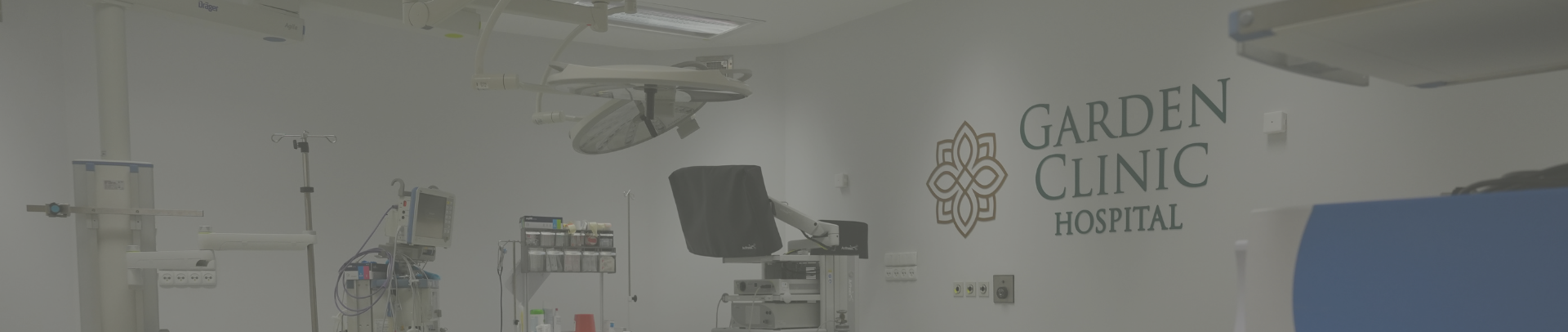
Surgery and rehabilitation are available within one coordinated treatment pathway. Our hospital provides a fully equipped operating theatre, comprehensive anesthetic care and modern technologies, including endoscopy and laparoscopy in urology.
Patients also have access to urological physiotherapy and postoperative follow-up. Our priority is patient safety, followed by functional and aesthetic outcomes.
Contact Garden Clinic reception to schedule a urological consultation. Please bring your medical documentation, including ultrasound results, diagnostic reports and a list of current medications.
During the consultation, we will determine the appropriate treatment plan, including the procedure date, preparation, supportive pharmacological treatment and follow-up schedule.